No products added!
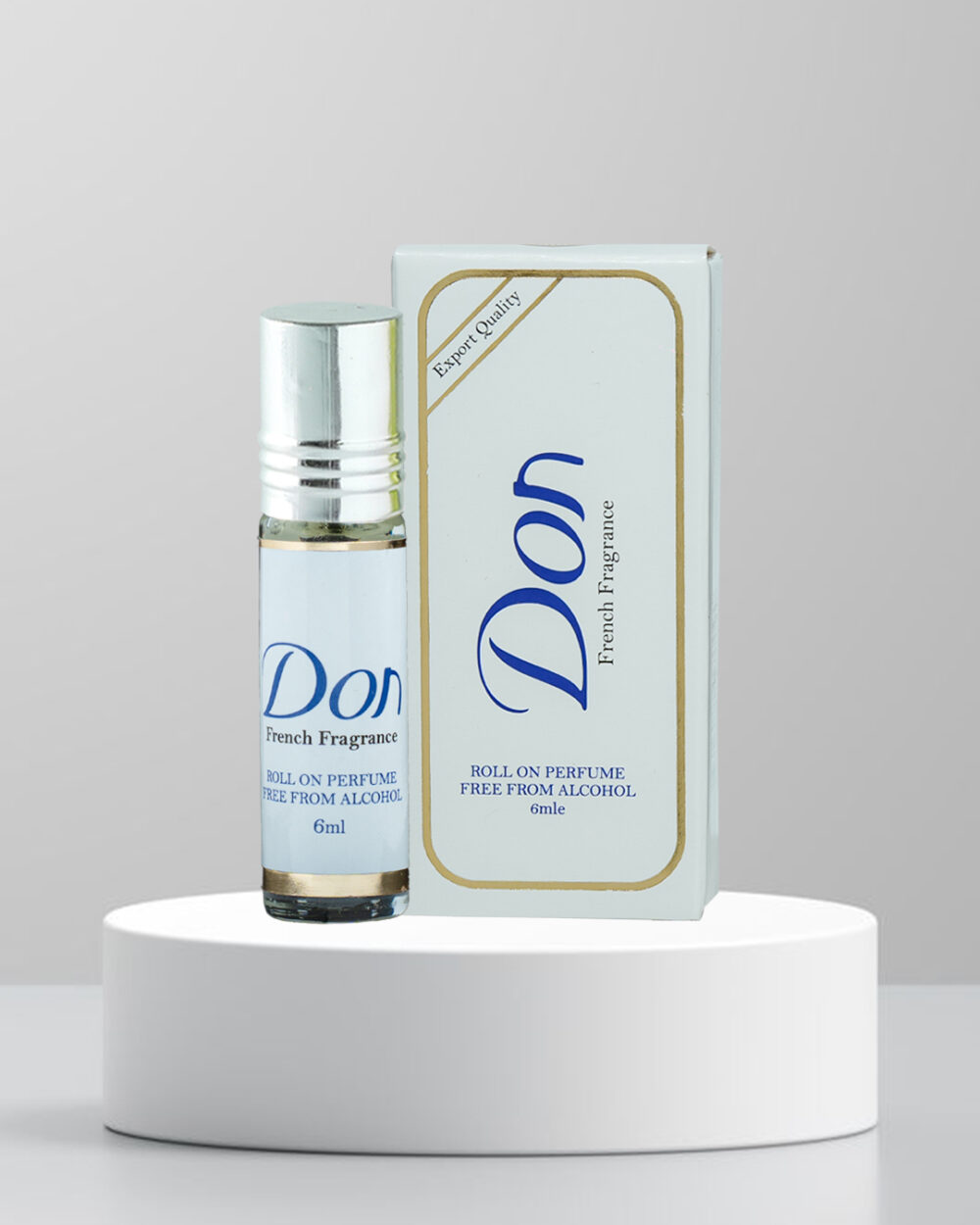
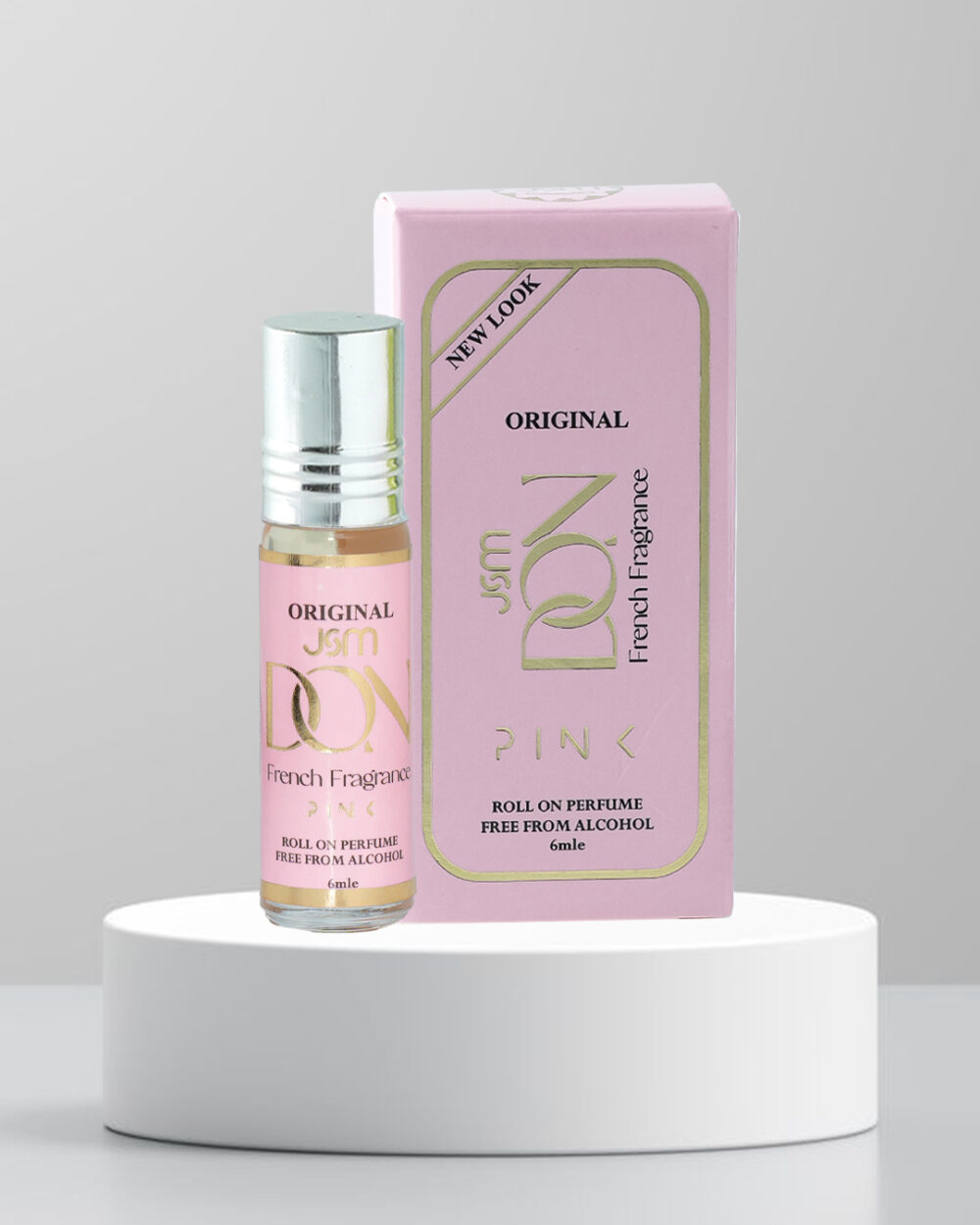
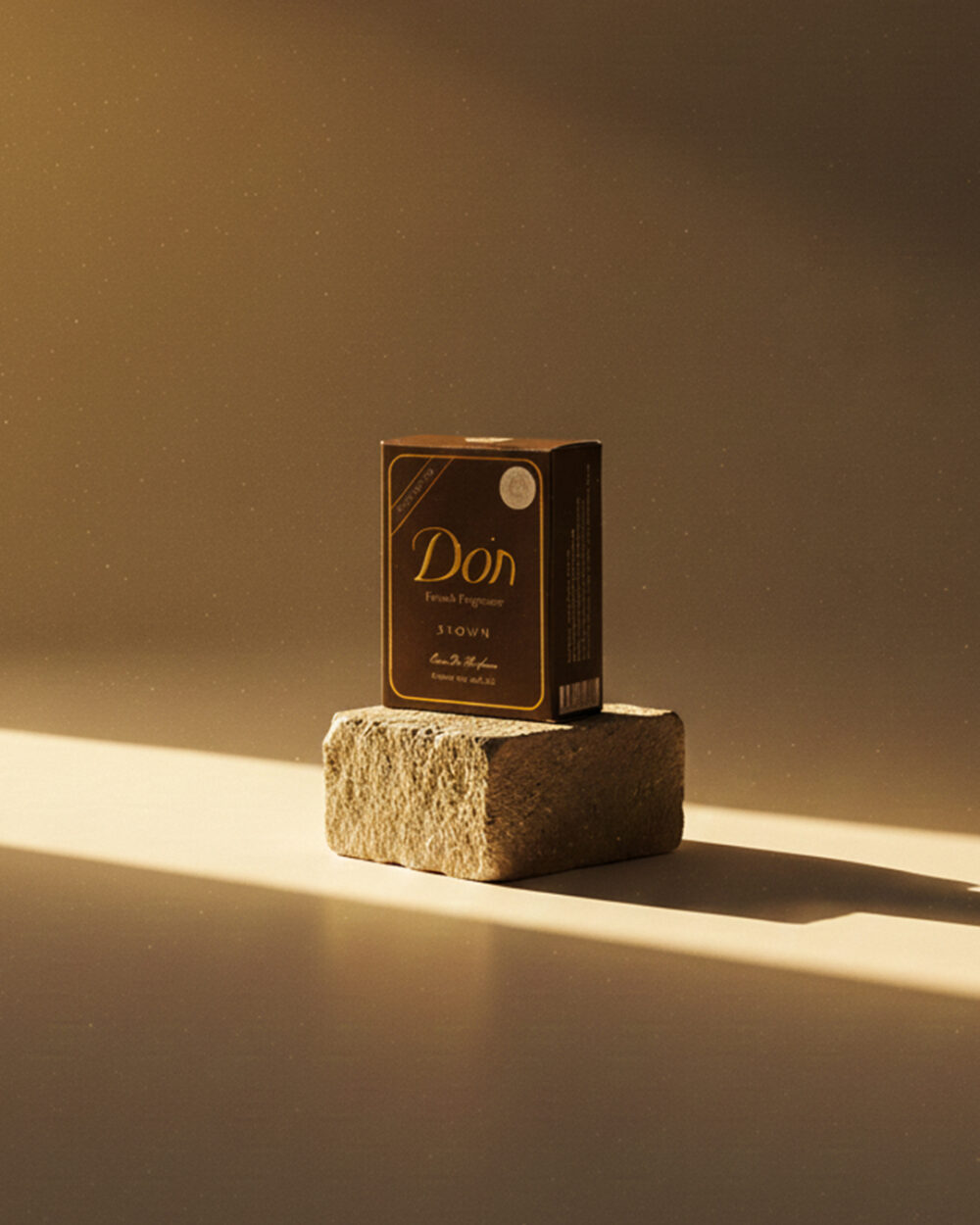
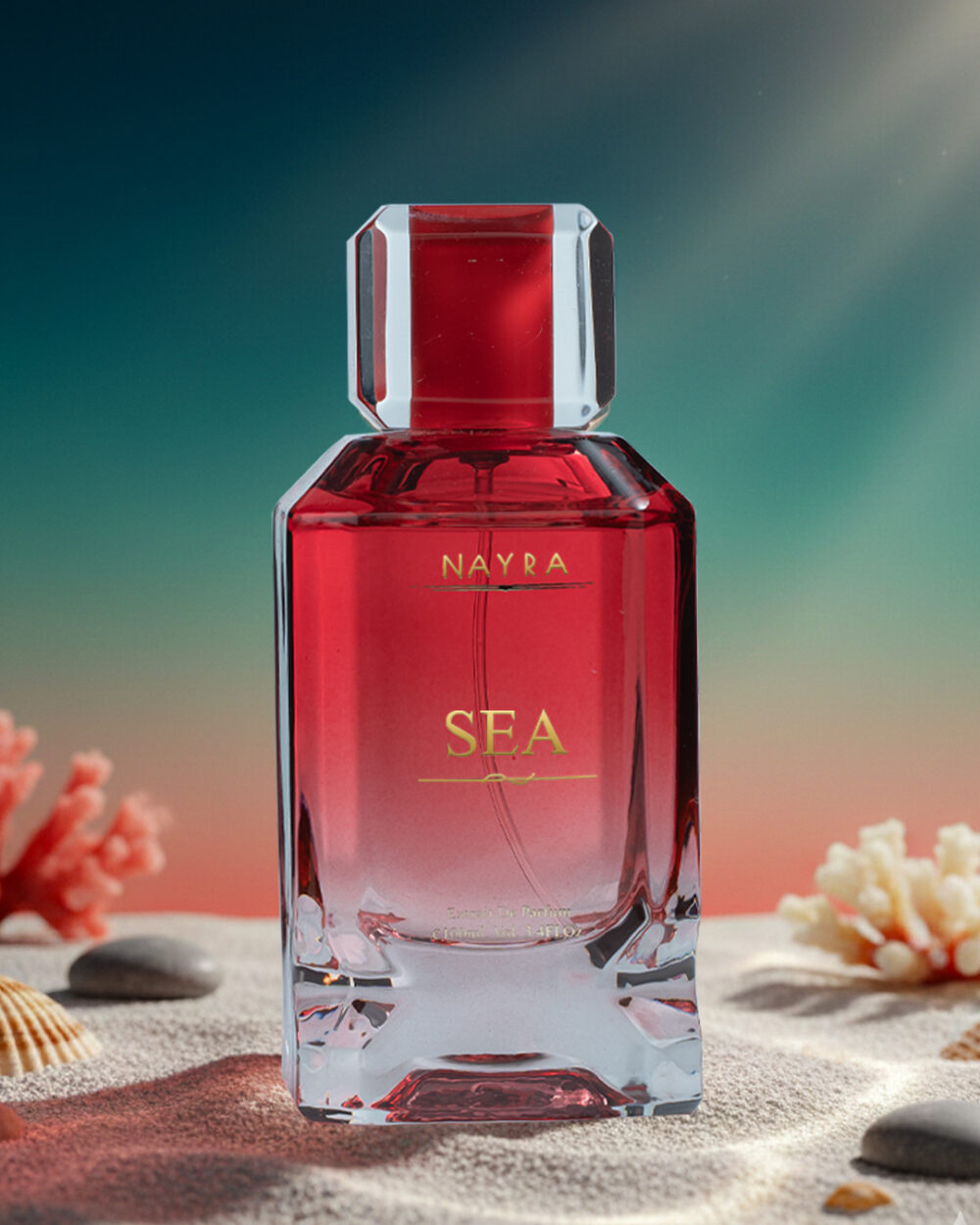
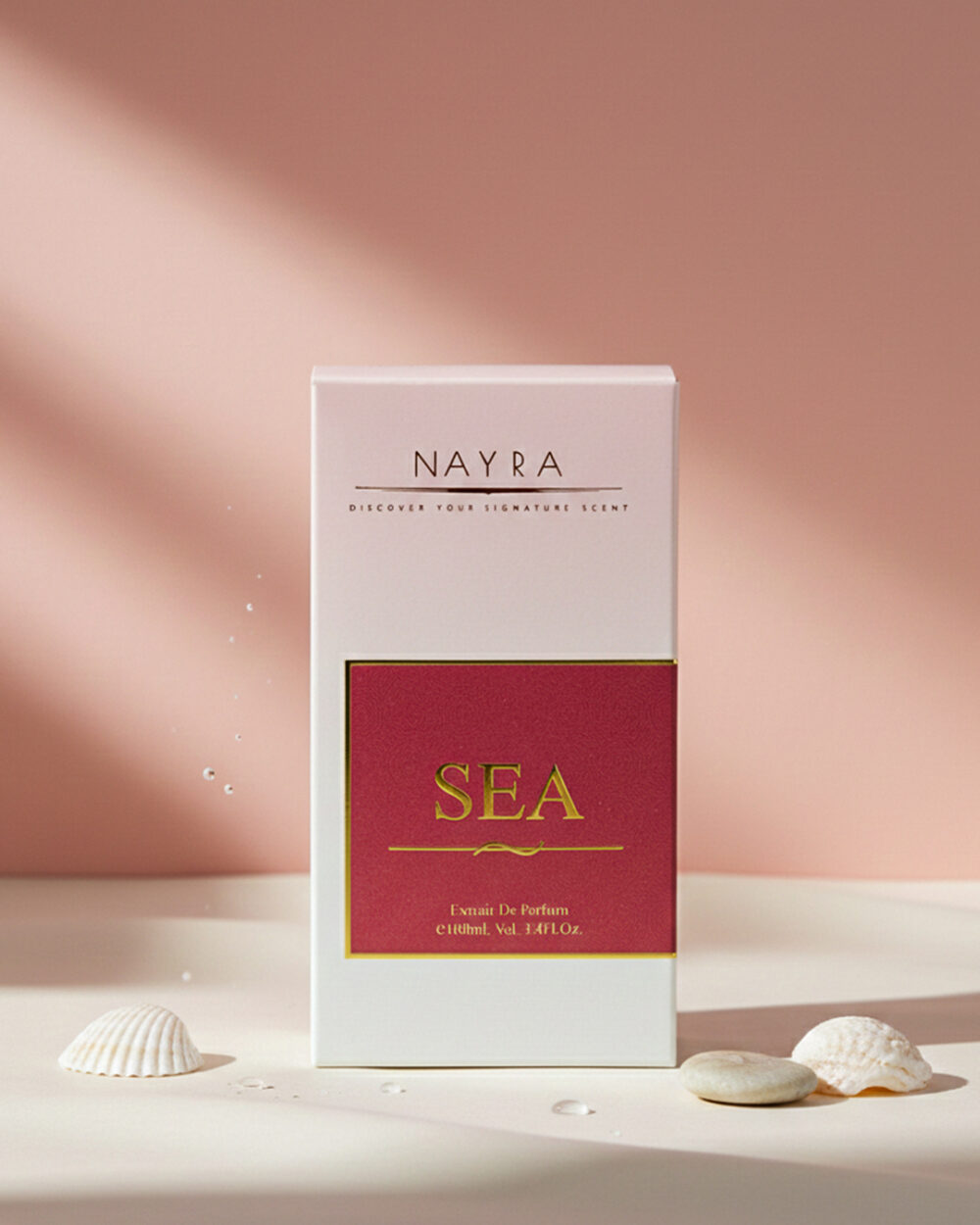
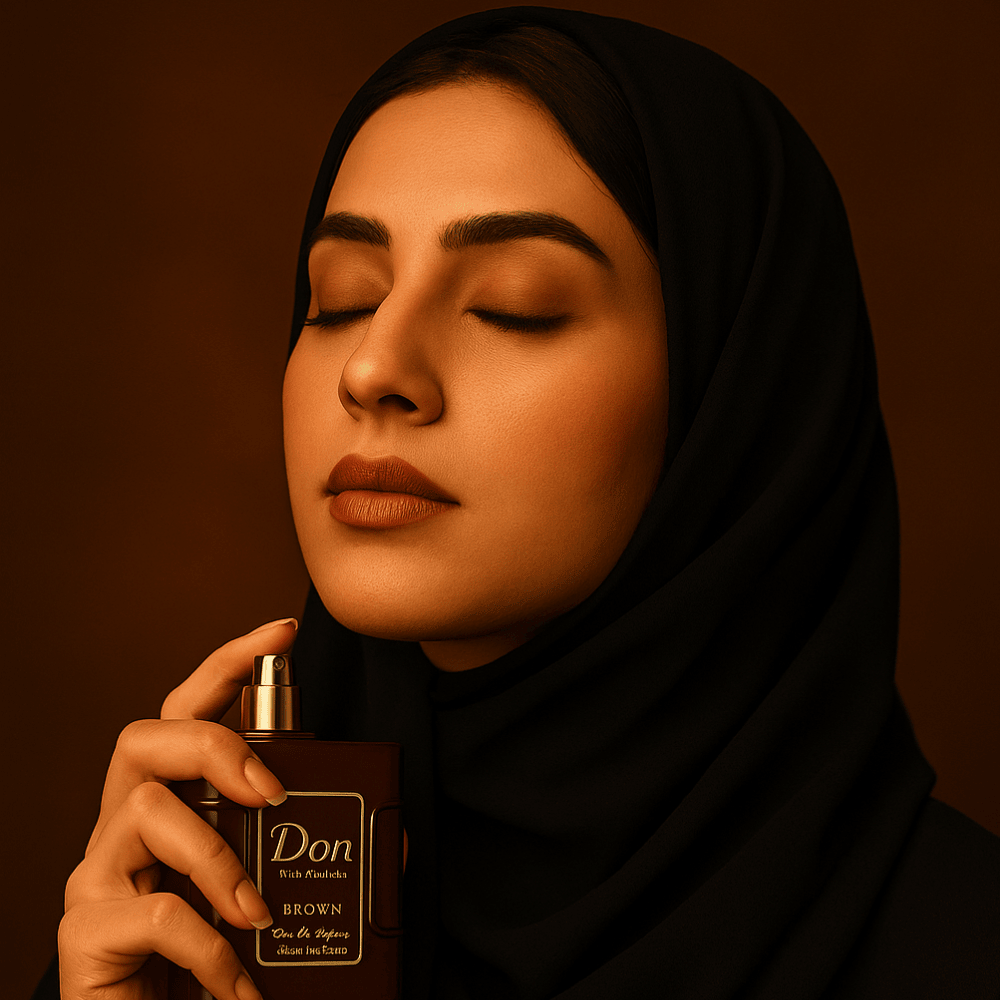

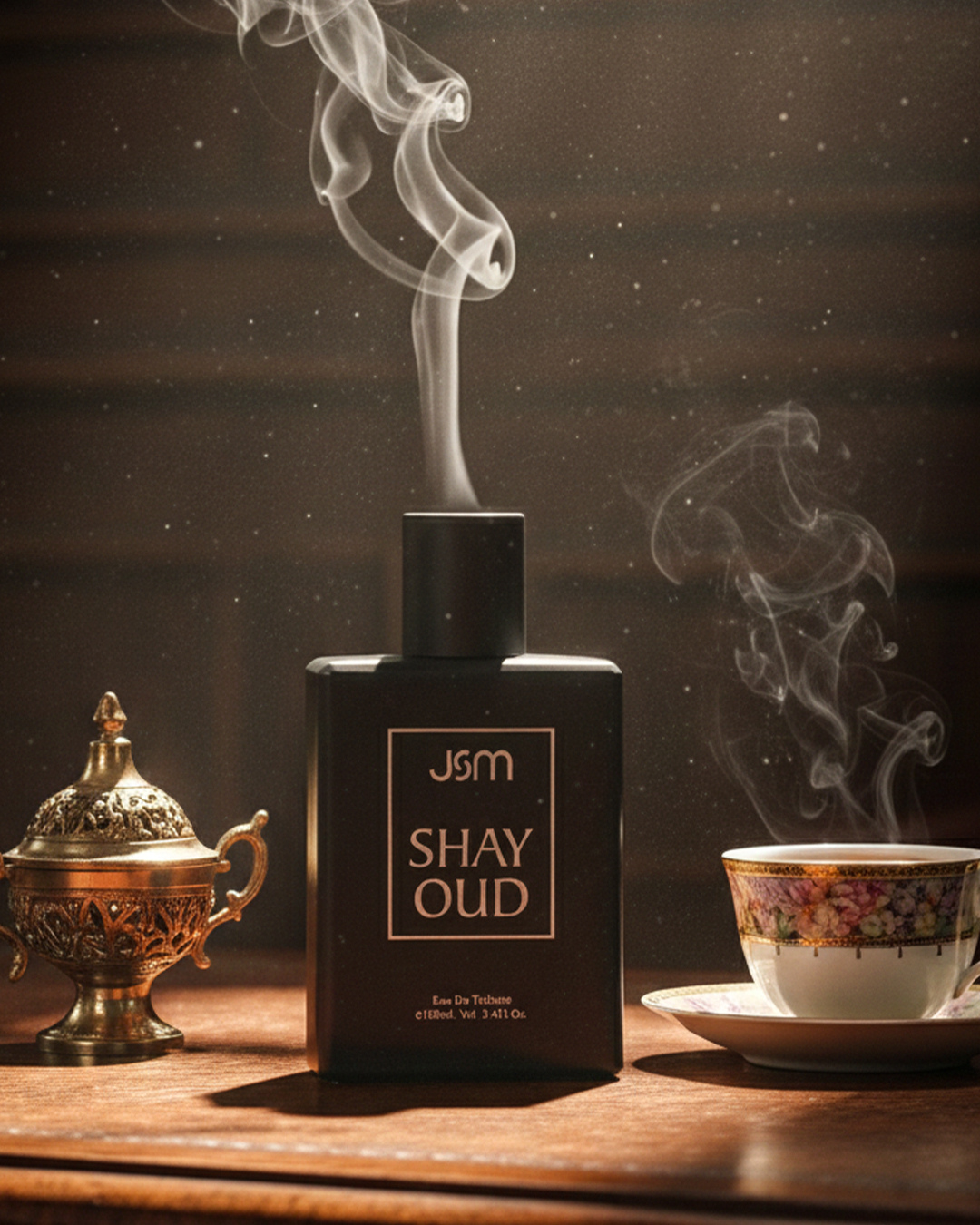
In the GCC, perfume isn’t just a daily ritual — it’s a language, a memory trigger, a cultural signature. And at the heart of that signature lies oud, the liquid gold of the fragrance world. For centuries, families across Saudi Arabia, the UAE, Kuwait, Qatar, Oman, and Bahrain have treasured oud not only as a scent but as a symbol of hospitality, identity, and refinement. Today, even as global perfume trends shift and evolve, oud remains the crown jewel of GCC scent culture.
What makes oud so irresistible? It’s the rare combination of depth, warmth, and unmistakable richness. Unlike synthetic perfumes, oud carries a natural intensity that lingers for hours, subtly transforming as it interacts with skin. This evolving nature creates a personal, intimate scent profile for each wearer — something GCC consumers value deeply. In a region where climate conditions are hot and dry, long-lasting fragrances are preferred, and oud fits the bill perfectly.
But the modern GCC fragrance scene isn’t stuck in tradition — it’s thriving with innovation. Today’s perfumers blend oud with fresh florals, creamy ambers, soft musks, and even citrus accords to create more balanced, wearable scents. This fusion of heritage and modernity appeals to young consumers who want luxury but with a contemporary twist.
Perfume layering is another hallmark of GCC culture. Instead of wearing a single fragrance, many people combine multiple perfumes, attars, and body sprays to create a unique scent identity. Oud forms the base of many layering routines because of its power and longevity. Pairing oud with rose adds elegance, while combining it with vanilla brings softness. With musk, it becomes effortlessly modern.
The demand for premium and niche perfume brands has exploded in recent years, driven by a younger, more experimental population. GCC consumers appreciate craftsmanship, rare ingredients, and personalization — qualities that international and regional brands now prioritize. Limited editions, engraved bottles, and customized scent consultations have become standard for high-end buyers.
Perfume is also deeply tied to occasions. Weddings, Eid celebrations, Ramadan gatherings, and evening outings all have their own scent expectations. Strong fragrances dominate night events, while softer ouds, musks, and citrus blends are preferred during the day. And of course, bakhoor — scented wood chips burned at home — completes the olfactory landscape of GCC living.
From the souqs of Oman to luxury malls in Dubai, the perfume culture of the GCC continues to be a powerful blend of heritage and modern artistry. As global fragrance houses increasingly look East for inspiration, the GCC remains the epicenter of olfactory luxury — a place where scent isn’t just worn but lived.